
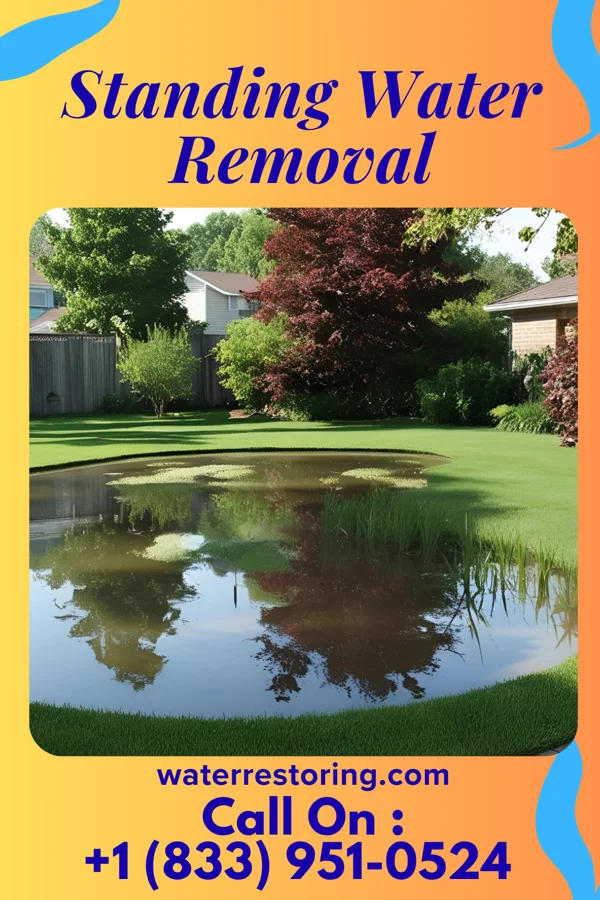
Standing Water & Insurance in Axtell
In Axtell, Nebraska, primary water damage often stems from agricultural runoff and seasonal flooding due to its rural location near the Platte River. Heavy rains in the spring and fall can lead to standing water in low-lying areas, especially around farmland and residential properties. These conditions can quickly lead to structural damage if not addressed promptly. is the trigger behind most standing water removal claims in Axtell. A close second is Secondary causes include broken irrigation systems, leaking water tanks, and malfunctioning septic systems, which are common in the agricultural community. Additionally, frozen pipes during harsh winters can burst, causing unexpected water damage in homes and buildings.. Most homeowner insurance policies cover sudden, accidental water damage. What separates a clean claim from a stuck one is fast professional response with documentation an adjuster can actually use.
Axtell experiences a semi-arid climate with significant temperature fluctuations, making it prone to both drought and sudden heavy rainfall. This climate pattern increases the risk of rapid water accumulation and subsequent damage, particularly in areas with poor drainage.
Most standing water removal calls in Axtell come from In Axtell, Nebraska, primary water damage often stems from agricultural runoff and seasonal flooding due to its rural location near the Platte River. Heavy rains in the spring and fall can lead to standing water in low-lying areas, especially around farmland and residential properties. These conditions can quickly lead to structural damage if not addressed promptly.. Running a close second is Secondary causes include broken irrigation systems, leaking water tanks, and malfunctioning septic systems, which are common in the agricultural community. Additionally, frozen pipes during harsh winters can burst, causing unexpected water damage in homes and buildings.. Local mold risk: Mold growth can occur quickly in Axtell due to the combination of high humidity and standing water, especially in older homes with inadequate insulation. Prompt action is critical to prevent health risks and long-term structural issues.